


Gown or Lehenga: What to Wear for Weddings, Receptions, and Parties
Updated: Apr 13
Why This Choice Confuses So Many People
The dilemma of whether to wear a gown or a lehenga is one of the most widespread confusions when dressing for wedding-related events, and, frankly, it is not hard to understand why. Both attires are trendy, acceptable, and ever-changing with new trends.

On one hand, gowns introduce a new, international, smooth shape, well-cut lines, and free mobility. Lehengas, on the other hand, have a strong sense of cultural roots, delicate workmanship and a touch of tradition that is somehow inseparable with Indian celebrations. This is the source of the confusion because modern-day weddings are not only traditionally oriented but are very much a mix of both. There are also different expectations for different functions.
An engagement may tend to take a semi-formal elegant way, whereas a wedding ceremony must have a cultural meaning. Parties and receptions, in their turn, are more about the style, comfort and appearance. It is this difference that makes it more difficult to determine which gown or lehenga is more suitable in each case. Current Indian weddings are adopting fusion clothing, pastel lehengas, pre-draped dupattas, structured gowns, and even crossovers that blur the line between the two.
Brides, bridesmaids, and guests are all trying things like never before and this only adds to the possibilities, as well as the confusion. This guide makes this choice easy. When you deconstruct every scenario and tell a story behind the selection of outfits, you will clearly know which one will be better for each occasion and why.
Gown or Lehenga
Aspect | Gown | Lehenga |
Structure | One-piece Outfit | Three Piece Outfit |
Style Aesthetic | Modern, Western-Inspired | Traditional, Culturally Rooted |
Ease Of Wearing | Easy To Wear & Manage | Requires Draping & Styling |
Comfort & Movement | More Comfortable for long hours | Can feel heavy due to layers |
Occassion | Best for receptions, parties & engagements | Ideal for weddings & traditional functions |
Gown or Lehenga- How the Occasion Shapes Your Outfit Choice
When you stop thinking about the outfit itself and start thinking about the occasion that you are dressing up for, the decision between a gown and a lehenga is made much easier.
Each wedding party has its vibe, form, and degree of formality, and such elements have a significantly larger impact on the choice of the outfit than personal preferences do. What is very much effective in one occasion may be totally wrong in another one, just because the expectations are different. Indian weddings, particularly in the contemporary era are a mixture of both tradition and modernity.

Some wedding functions are deeply rooted in rituals and cultural symbolism, while others are more casual, social, and style-oriented. This difference is exactly why choosing between a gown and a lehenga can sometimes feel confusing. Both belong to the broader wedding wardrobe, but they serve very different purposes.
For example, engagement ceremonies tend to be in the middle. They are not as ritualistic as the weddings. Hence, they permit modern and traditional clothing. Practicality is no longer a criteria of concern as much as comfort, movement, and fun are in pre-wedding ceremonies such as mehendi, haldi or cocktail parties. Weddings on the other hand are organised and culturally relevant and in most cases demand clothing that is a symbol of tradition and sentiment.
Receptions change the tone once more. It is more formal and sociable, in which visual impression and styling become dominant. It is this difference in the dynamics of the event that will eventually decide whether to wear a gown or a lehenga. A gown will always suit modern, less ritualized, and oriented in terms of comfort, in which clean lines and de-emphasised styling are salient.
A lehenga on the other hand has an impression of tradition and grace which fits perfectly well in a ceremony where culture is important. It is not necessarily about what the outfit looks like, but how well it is in tune with the surrounding environment. The length of the event and the movement involved is another factor that is important.
Outfits that need constant movement, dancing, or extended hours should be lighter and easier to carry. Shorter yet more formal ceremonies permit heavier, more elaborate ensembles, which put an emphasis on the visual richness at the cost of comfort.
In the end, the choice between a gown and a lehenga should not be based on which one looks more stylish, but on which one feels right for the moment. Once you dress in accordance with what is expected of the event, it not only looks more appealing but it is also lighter to carry. This knowledge will form the basis of making wiser choices and making bolder outfit choices in any wedding party.
Occasion | Event Nature & Expectations | Gown- When It Works | Lehenga- When It Works |
Engagement Ceremony | Semi-formal, celebratory, often intimate with a mix of modern & traditional elements | Works well for indoor venues, modern décor, and minimal rituals; ideal for a polished, elegant look | Suitable for family-led ceremonies with traditional elements; adds cultural depth and festive presence |
Pre-Wedding Functions (Mehendi, Haldi, Sangeet) | Fun, Lively, movement-heavy, and less formal | Great for Cocktail nights or dance-focused events; easy to carry and move in | Perfect for festive functions like mehendi or haldi; lighter lehengas maintain tradition without feeling heavy |
Wedding Ceremony | Highly Traditional, ritual-focused, emotionally significant | Less Common but works in modern or fusion weddings with minimal rituals | Most Appropriate choice; aligns with cultural expectations and ceremonial importance. |
Reception | Formal, social, style-driven, often in the evening | Ideal for formal venues, giving a sleek and glamorous appearance | Works well for grand receptions where a richer, more traditional look is preferred |
Cocktail/ After Party | Modern, relaxed and fashion-forward | Best Suited; enhances a chic, contemporary vibe | Can work if styled minimally, but generally less preferred compared to gowns |
What To Wear For Engagement Ceremonies
Engagement ceremonies are placed in an exclusive position in the wedding schedule; they are jovial but at the same time close and personal, trendy and at the same time pristine of family practices. This is precisely why it becomes a bit harder to pick the gown to engage in or a lehenga since they can both be great, depending on the location, size of the occasion, and the general color.
The engagement functions are frequently held in in-door facilities like the banquet halls or lounges or even destination areas that have been decorated in a specific manner, in most modern setups, such environments are predisposed to a more refined and semi-formal style with gowns usually fitting in with ease.

A well cut dress provides a clean cut shape, needs very minimal styling and can easily be moved around, hence it is quite convenient when it comes to an occasion where one has to meet and greet new people, take photos and spend many hours socializing. To the ones wanting a more sophisticated, less elaborate appearance without the hassle of draping or layering, an engagement dress will be an excellent and convenient option.
Meanwhile, this preference may change depending on the role played by the bride’s family and the ceremony. A lehenga can be more suitable in more traditional or family-oriented interactions, when rituals, blessing, and other cultural practices are prioritised. It brings with it a feeling of that event, and is very much consistent with the emotional and ritualistic components of the event.
The availability of dupatta, traditional embroidery and more enriched textures give this an added depth to the overall appearance, rendering it visually and culturally similar. Another factor that affects this decision is the size of the event. Greater events involve longer guest lists and more formal invitations might necessitate a dress that comes across as a little fancier with heavily adorned gowns and lehengas both being great options.
Smaller, more personal events, on the other hand, will have to be light, relaxed, and therefore, minimal gowns or gentle lehengas will be equally fitting. Comfort over time is another practical factor to consider. Event ceremonies usually encompass several parts, as mentioned above, such as the ring exchange, photography, socialising, which implies that you will spend long hours in your outfit.
Gowns are more likely to provide comfort in such situations, particularly in the rare occasions when the gown is lightweight and fits properly. Lehengas are beautiful, but they might need to be adjusted especially when it comes to dupatta and heavy skirts. In general, both of them are legitimate, but there is a minor plus point when it comes to wearing a gown during engagement, particularly in a modern, indoor, and semi-formal environment.
But in case the ceremony is more of a traditional one or you desire your dress to bear a more pronounced cultural touch, a lehenga is equally a good option. The trick is to notice the mood of the occasion and the anticipations surrounding it. As soon as it is known, it becomes much easier to know whether to go with a gown or a lehenga.
Choosing Outfits for Pre-Wedding Events & Parties
The pre-wedding events are usually more casual, active and movement intensive and that is why comfort and practicality are equally valued to style.
It is here that the decision in favor of a party gown or a lehenga is not only less about tradition, but also about the degree of convenience in terms of long hours of action that you may engage in with the dress.
A party gown is ideal to use during cocktail nights or dance- oriented parties. It is one-piece in design, is easily movable, requires less adjustment.
Gowns are sleek, light, and modern and thus, perfect in those events when one wants to socialise, dance, and have fun without any concerns that they need to deal with layers.
Meanwhile, lighter lehenas are still a good option when it comes to more festive and culturally-based events such as mehendi or haldi. Lehenga at a party with slightly smaller volume and lighter fabrics is a good compromise between tradition and comfort and is much easier to move in without losing the party atmosphere.
Versatility is also a factor to those who need to attend several events or location based functions. The combination of outfits in a way that a gown is worn on one occasion whereas a lehenga or saree is worn on another occasion helps not only give some diversity but also make sure that the clothes a person wears fit some or other occasion.
In general, the pre-wedding activities provide a greater level of flexibility, though the ease, movement, and flexibility should always be prioritized.

Best Choice for the Wedding Ceremony
The most significant and tradition-oriented section of the celebration is a wedding ceremony when the cultural importance and ceremonies prevail. Due to this, the outfits worn in this area should point towards a feeling of tradition and eventuality as opposed to mere fashion.
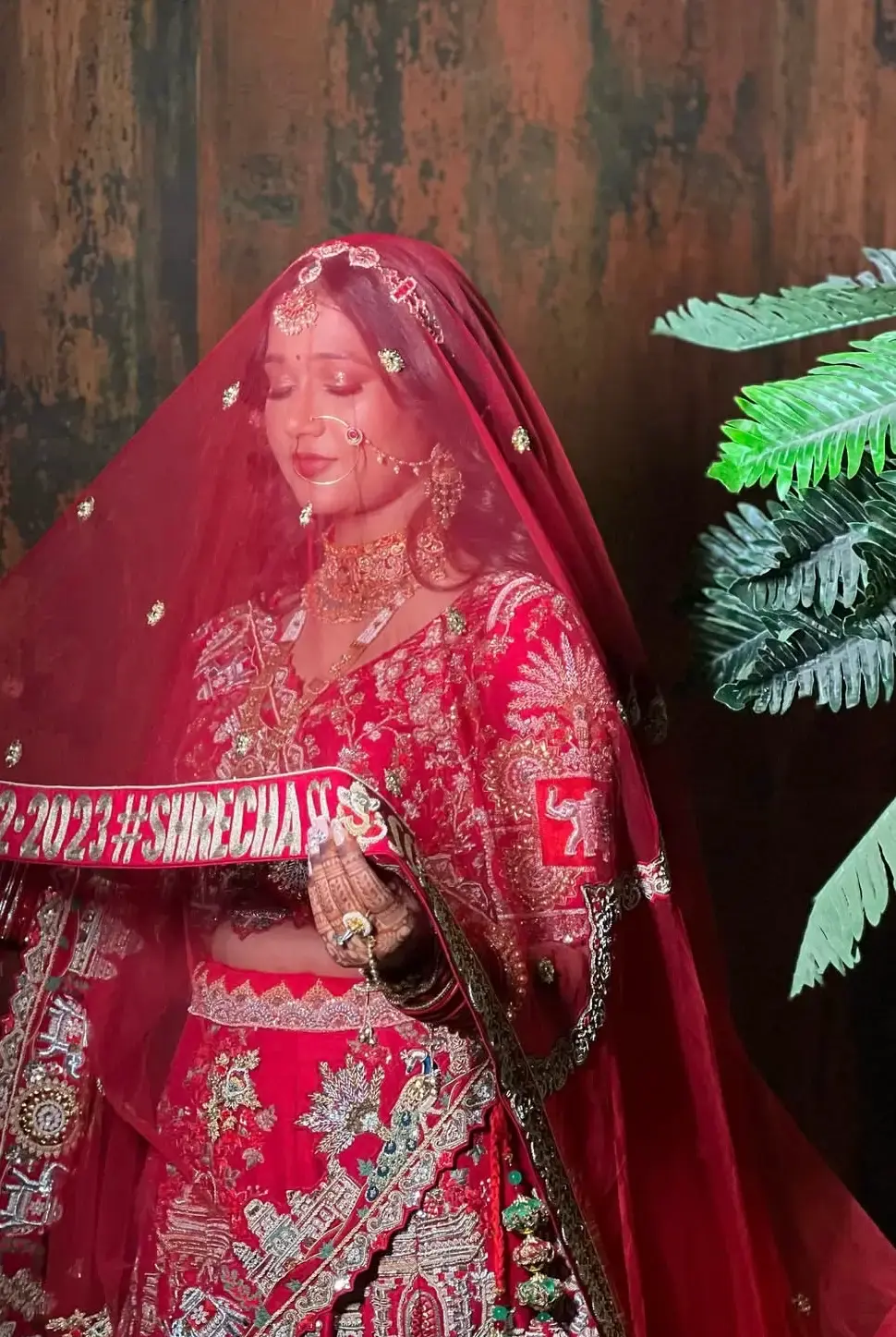
The most suitable clothing to wear at such events is a traditional lehenga. Its multiple layer construction, rich materials and elaborate embroideries fit very well with the ceremonial requirements. The traditional choices such as red bridal lehenga remain a favorite due to their symbolism and eternal nature, which makes it significant and appealing to the eyes.
Although the contemporary wedding is becoming more open to options, such as pastel or ombré colours or even a wedding gown as part of a specific arrangement, these options are more suited to a less tradition-intensive or more modern ceremony. Altogether, the lehengas continue to have an undeniable edge when it comes to wedding ceremonies because they are emotionally and culturally relevant and thus the best and reliable choice in this case.
Reception Styling- Gown or Lehenga
Receptions are also one of the least challenging events to experiment with since receptions are more relaxed and fashion-oriented than the wedding ceremony. The decision of whether to go with a gown or lehenga in this case is heavily dependent on the location, the time of the day and the kind of mood you wish to portray.
Gowns usually suit well in formals during evening receptions, particularly in a banquet hall or other luxurious places. Their smooth bodies and their organized shapes give them a high-class and contemporary appearance that is attractive even in the night.
An elegant dress is comfortable but conspicuous and is therefore perfect in any occasion that is dedicated to socialisation and presentation.
Lehengas, however, are great in large or traditional parties. The very heavy adorned designs are an added value and also because of the high emphasis on appearance especially when it comes to celebrating in large scale where appearance and not just the color are the key factors.
The other factor that should be taken into consideration is the couple's outfit combination.
Coordinating with your partner, can help you form a more unified whole.
Concisely, either of the two is suited to receptions. It all depends on such factors as the formality of the event, how traditional it is, and how comfortable the outfit can be to wear over lengthy periods of time.

Real Wedding Scenarios- What Actually Works
In an actual wedding, it may be easy to tell when to use a gown or lehenga when you are visualising where it will be used Aspects such as venue, size and style of ceremony are part of what is naturally appropriate.
Conventional Wedding Locations: Lehengas are more compatible in wedding rituals with heavy cultural aspects because of their ceremonial nature and traditionality.
Outdoor Wedding or Destination Wedding: In the case of beach or an open- air wedding, light gowns or more breathable lehengas are practical and comfortable.
Grand Evening Reception: Smooth gowns with a modern and glamorous style are worn in formal party banquet halls and heavily embellished lehengas are worn in big and traditional parties.
Private or Personal Party: When it comes to smaller events, a simple gown would be suitable or a light lehenga would be appropriate.
6 Key Factors to Choose Between a Gown and a Lehenga
If you’re still unsure, a few practical factors can help simplify the decision, especially for a destination wedding or a modern Indian wedding where multiple elements come into play:
Venue Type – Indoor venues often suit gowns, while traditional setups favour lehengas.
Event Duration – Longer events require lighter, more manageable outfits.
Mobility – If the event involves movement or dancing, gowns or lighter lehengas work better.
Weather Conditions – Breathable fabrics are key for outdoor or humid settings.
Personal Comfort – Choose what feels easy to carry for hours.
Budget – Heavily embellished lehengas may cost more than simpler gowns.
Fabric, Colour & Cultural Sensitivity
In addition to the fundamental decision of choosing an outfit, factors such as cloth, colour, cultural setting and so on have a significant role in determining the suitability of your appearance.
The choice of correct seasonal fabric makes a difference. One can wear lighter fabrics in summer or on outdoor occasions and heavy fabrics during winter or indoor parties.
Colour can create a difference. Though the darker tones and traditional colours are more accepted, the lighter pastel shades and experimental colours indicate the present trends in colour and are effective in contemporary environments.
Meanwhile, one should not forget about the cultural expectations. Certain functions might require a more traditional dressing and by matching up with it, your outfit will feel at a better place instead of being aesthetically out of place.
Personal Comfort and Confidence Matter Most
No matter how many guidelines you follow, the final decision between a gown or a lehenga should come down to how you feel wearing it. Style, trends, and occasion all matter but confidence is what truly defines how an outfit looks.
Sometimes, people get caught up in trends or make lehenga selection mistakes by choosing something that looks good visually but feels difficult to carry. Moving beyond trends and focusing on comfort often leads to better choices.

This is where expert guidance can make a difference. Brands like WNW help you navigate these decisions by balancing style, occasion, and personal comfort, ensuring that your outfit feels just as good as it looks.
In the end, the right choice feels natural to you, because confidence will always elevate your overall appearance more than any outfit ever can.
Conclusion: Making the Right Choice for Every Occasion
Choosing between a gown or lehenga doesn’t have to be confusing once you understand the role each outfit plays across different wedding events. Both options have their place, and neither is universally better, it all depends on the occasion, setting, and expectations.
By considering factors like the nature of the event, venue, comfort, and cultural tone, you can make more thoughtful and practical decisions. Whether it’s a structured gown for a reception or a traditional lehenga for the ceremony, the key is to align your outfit with the moment.
Ultimately, the best choice is one that feels appropriate, comfortable, and true to your personal style, because that’s what ensures you not only look good, but also enjoy the occasion with confidence.
FAQs
Is a gown suitable for Indian weddings?
Yes, gowns work well for receptions, engagements, and modern ceremonies, but lehengas are still preferred for traditional wedding rituals.
Is a lehenga too heavy for reception?
Not always, opt for a lighter or a well-balanced lehenga if you want comfort without compromising on a grand look.
Which is more comfortable for long events?
Gowns are generally more comfortable due to their one-piece structure and ease of movement.
What is trending in 2026?
Fusion styles, pastel and ombré lehengas, structured gowns, and minimal yet statement designs are trending.


Comments